
Watch: Why Premium CTV Inventory isn’t in Programmatic
If you're running CTV programmatic buys through a DSP and assuming you're reaching most TV audiences, you're likely missing half the picture.
That's not a hot take, it's what executives from NBCUniversal and WBD said out loud during a Marketecture Live panel in New York City.
Tatari CEO Philip Inghelbrecht was joined by Mike Reidy, SVP of Ad Sales at NBCUniversal, and Bill Murray, Head of Growth and Performance at WBD, for a conversation moderated by Ari Paparo of Marketecture Media about the parallel operating system that's been quietly running alongside programmatic, and why it may matter more than the industry's obsession with bidstream optimization. Below are some highlights from the discussion…
The Programmatic Gap Nobody Talks About
While the industry debates transparency, SPO, curation, and whether DSPs or SSPs control the programmatic stack, the panelists made a more fundamental point: the majority of premium CTV inventory never enters the programmatic supply chain at all.
Roughly half of CTV inventory is accessible through programmatic pipes. The other half - live sports, tentpole content, and high-demand programming owned by publishers like Disney, NBCU, Paramount, WBD, and Tubi - is still transacted directly. This isn't a market inefficiency. It's a deliberate choice by the publishers who control the most valuable inventory in television. And for senior buyers allocating meaningful budgets toward streaming, it has real consequences for reach, brand safety, and cost.
Direct and Programmatic Aren't Competing, They're Complementary
Programmatic isn’t an either/or decision, it’s both.
Programmatic excels at flexibility: finding audiences, testing new environments, and optimizing in motion. It's also essential for retargeting and niche audience segments that don't translate easily into guaranteed buys.
But direct buying delivers something programmatic can't replicate: guaranteed access to premium content, stronger brand safety, fewer intermediary fees, and the kind of contextual alignment that actually moves brand perception. A sponsor locked into a major live event isn't just buying impressions, they're buying association.
The pattern described on stage: sophisticated buyers secure core inventory through direct deals, then layer in programmatic as a backstop to capture additional impressions when viewership exceeds expectations. Both channels, one campaign.
CTV Is Less Fragmented Than You Think
Here's the counterintuitive part: despite streaming's reputation for fragmentation, a relatively small group of publishers controls the majority of premium CTV inventory.
That concentration makes direct relationships more important, not less. It also raises a legitimate question about whether traditional programmatic infrastructure, built for a long tail of web supply, is the right tool for a market dominated by a handful of major players.
It's why "nowness" still matters in streaming. Live sports, cultural events, and major content releases create massive simultaneous audiences; moments that look like traditional TV, just delivered differently. Those moments are valuable precisely because they're scarce. And scarcity flows to direct.
The Infrastructure Problem is Being Fixed
If direct buying is this important, why has it remained so manual, slow, and relationship-dependent?
That's the question Inghelbrecht addressed through Tatari's Upstream platform, now being used by Disney, NBCU, Paramount, WBD, and Tubi. By integrating directly with publisher ad servers, Upstream automates insertion orders and removes the friction that has historically kept direct buying out of reach for all but the largest advertisers. The goal isn't to replace CTV programmatic buying. It's a parallel path: faster, more flexible direct access to the inventory that matters most, without the intermediary layers.
What This Means for How You Buy
If you're a senior buyer evaluating your CTV strategy, the panel leaves you with a practical question worth bringing back to your team:
If the most valuable inventory requires direct access, how much of your current budget is actually reaching it?
Programmatic is still a critical part of the media mix. But treating it as the default path to premium CTV audiences means leaving the most sought-after inventory on the table. The future of TV advertising isn't programmatic versus direct. It's knowing when each approach gets you where you need to go while having the infrastructure to execute both. Just listen to what the industry is saying…

Amit Sharan
I run marketing at Tatari and have the world's cutest french bulldog.
Related
Listen: Programmatic is Only Part of the CTV Ad Story
Tatari’s CEO, Philip Inghelbrecht, joined the Next in Media podcast to talk about the evolving structure of the CTV market and why programmatic may not be the whole story. From where premium inventory actually lives to how automation and AI are being applied in practical ways, he offers a candid look at what’s hype and what’s real in CTV advertising.
Read more
Moving Upstream: Our Evolution to Direct Sales Automation
TheViewPoint is now Upstream—and it’s redefining how CTV publishers scale direct revenue. By automating direct-sold campaigns at the ad server level, Upstream eliminates operational bottlenecks while preserving the premium power of direct relationships.
Read more
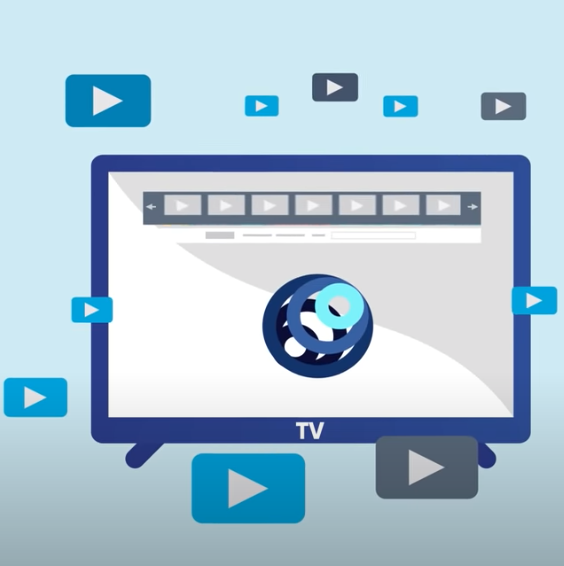
Success Story: TheViewPoint & VlogBox
TheViewPoint’s ready-made tools have entirely met VlogBox’s requirements of transparent pricing, monetization revenue growth, and COPPA compliant advertisements.
Read more